–The Diocese of the Great Lakes –
The Diocese of the Great Lakes (DGL) traces its origins to a Canadian jurisdiction, the Independent Anglican Church (IAC). That church body owes its existence to an administrative dispute of the 1930s that involved two priests of the Church of England in Canada. None of the famous doctrinal disputes that led to schisms in other Christian denominations were involved, nothing for example like the issues that in 1978 produced the so-called “Continuing Anglican” churches.
Nevertheless, the IAC experienced its own split late in the century. Several bishops, along with a number of presbyters, were opposed to certain doctrinal innovations proposed for the church and so founded the Diocese of the Great Lakes. This new diocese was led by The Rt. Rev. Julius A. Neeser who had been the IAC’s bishop of Ontario. Negotiations followed, with the new diocese remaining in the parent body provisionally, but those efforts eventually failed.
During the following years, our diocese worked with a number of other church bodies to advance Anglican unity. To that end, the DGL was a member of the Anglican Church, Inc. prior to the dissolution of that body and was a founding member of the North American Anglican Conference.
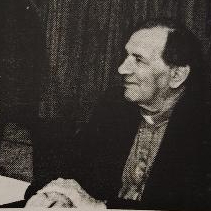
Bishop Neeser (above) was succeeded by The Rt. Rev. Jackson Worsham, Jr. (center), the diocese’s suffragan bishop. His work in cooperation with the United Episcopal Church of North America, one of the original Continuing Anglican churches, laid the foundation for an “Agreement of Intercommunion” which was signed in 2001. The UECNA had long been known for affirming the historic Thirty-nine Articles of Religion as does the DGL.
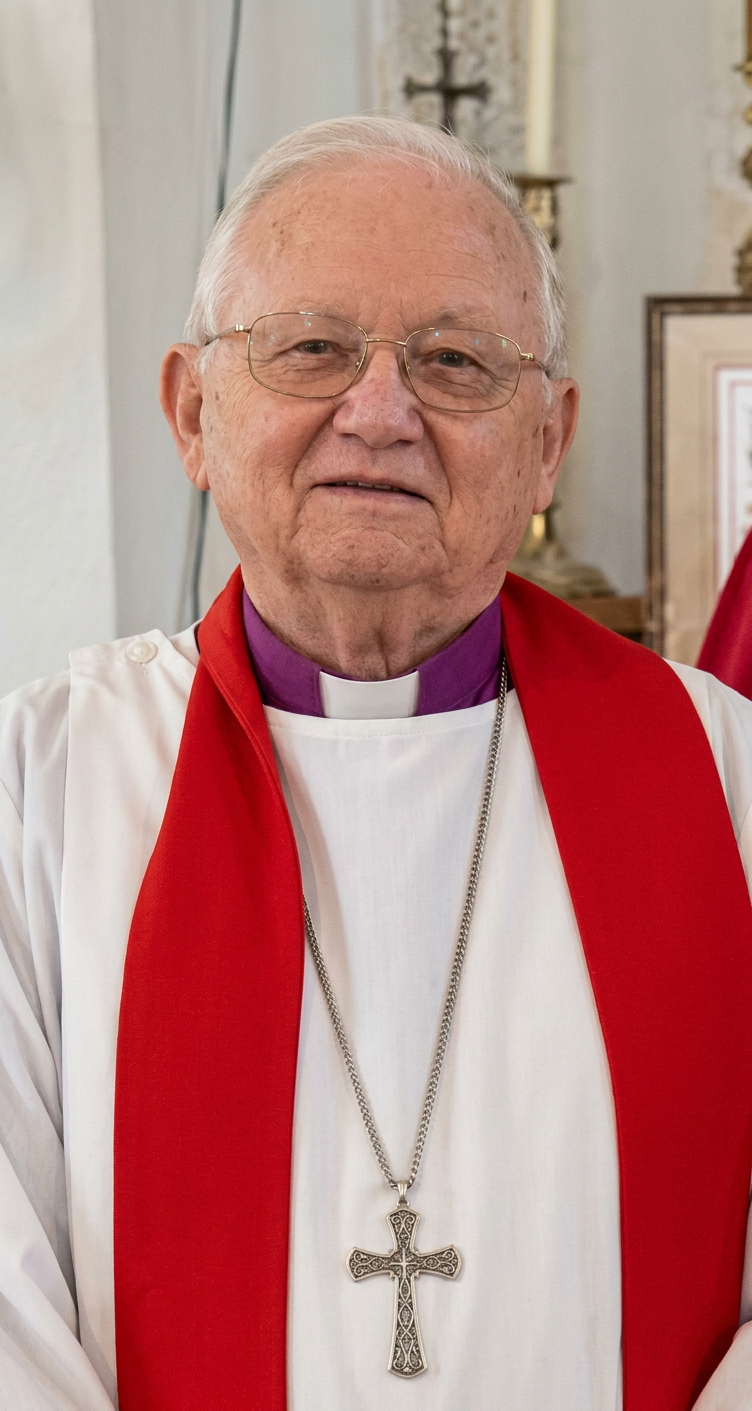
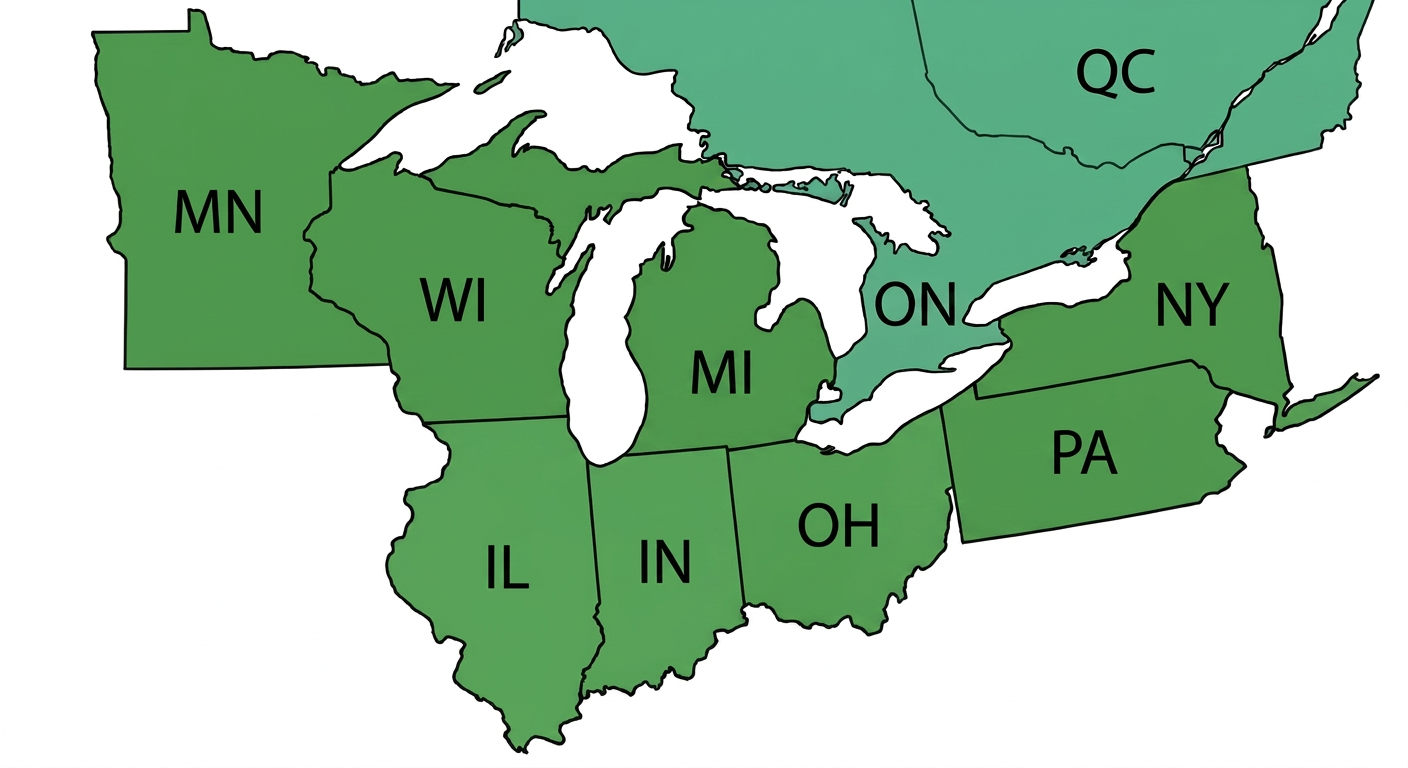
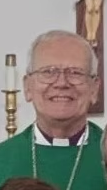
It was in 2014 under The Rt. Rev. David T. Hustwick (below) that the DGL joined the UECNA formally, becoming its diocese for the Great Lakes states and the Canadian provinces of Quebec and Ontario.
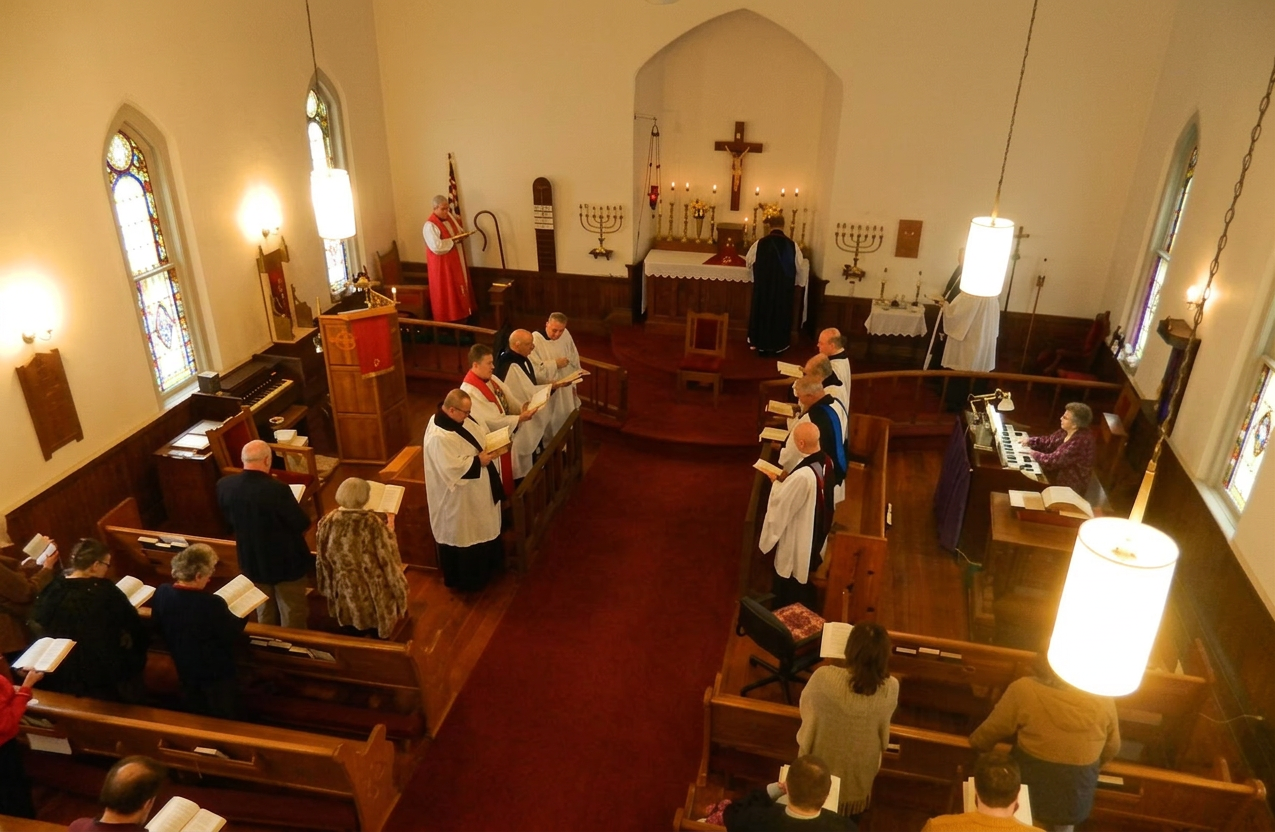
Led by Bishop Hustwick, the DGL expanded in Michigan, New York, Wisconsin, and Minnesota. He worked to insure the success of new missions, welcomed clergy seeking to transfer into the DGL from other jurisdictions, and oversaw the restoration of the historic church building in Hastings, Michigan that is today the home of Saints Andrew and Matthias Independent Anglican Church.
.